

Tallow cream moisturises face and body and helps with cracked heels, chapped lips, dry patches and more. See 10+ uses for Irish grass-fed tallow cream.
Quick Answer: Tallow cream is a rich, whipped moisturiser made from rendered grass-fed beef tallow (it's sometimes called tallow balm). Used lightly, it's an everyday face and body moisturiser. Used generously and left on overnight, it's an intensive repair treatment for cracked heels, chapped lips, dry elbows, cuticles, post-shave irritation and eczema-prone dry patches.
The problems it targets are anything but niche: about 20% of adults experience cracked skin on their feet, and up to 35% of babies have nappy rash at any given time — two of the jobs a single tin of tallow cream covers.
There's a reason your grandmother kept a tin of something rich and fatty in the medicine cabinet. Long before the skincare industry invented "intensive repair creams" loaded with synthetic emollients and preservatives, people used rendered animal fat — specifically beef tallow — to heal cracked heels, protect chapped lips, and soothe everything from nappy rash to post-shave irritation.
In 2026, tallow cream is experiencing a well-deserved revival. This guide covers everything you need to know: what tallow cream is, how to use one product for both daily moisturising and intensive repair, its 10+ uses, and why Irish grass-fed tallow makes it exceptional.
What Is Tallow Cream?
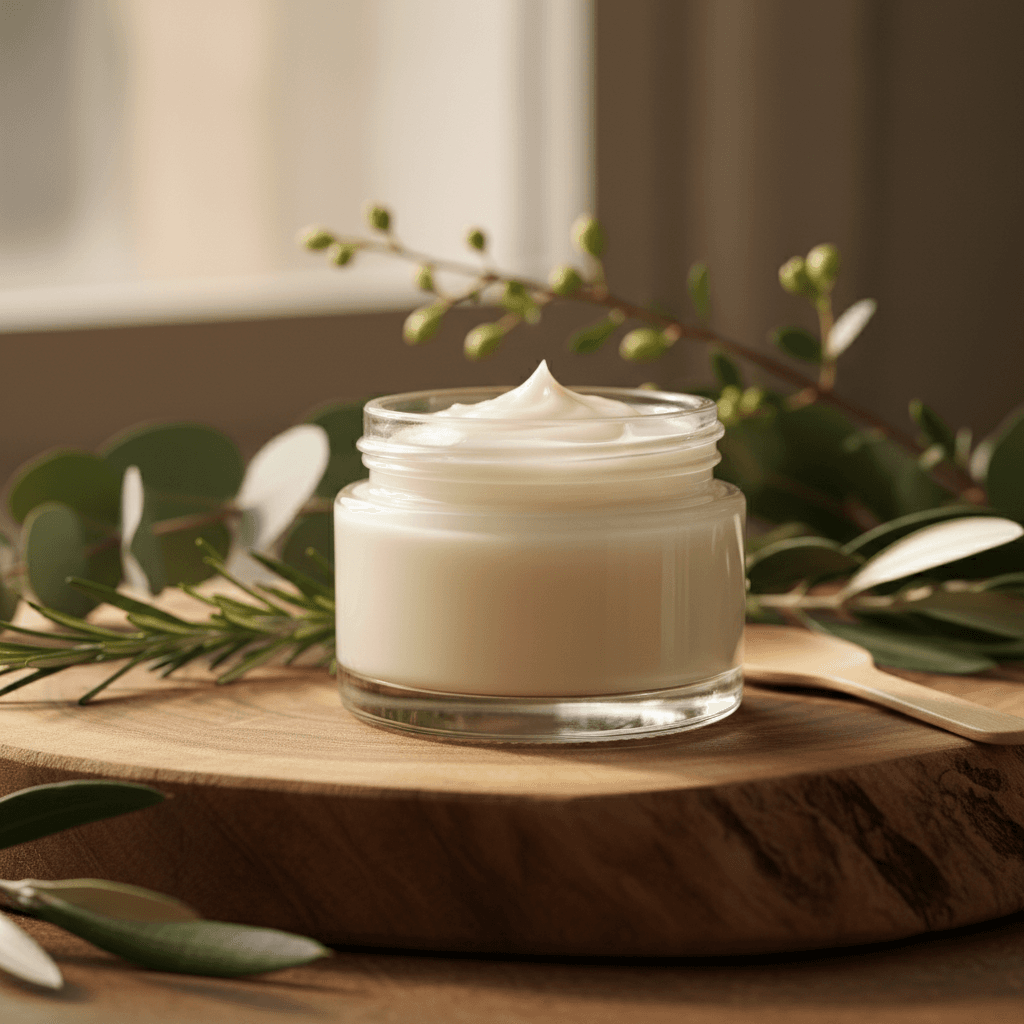
Tallow cream is a skincare product made primarily from rendered beef tallow — the purified fat extracted from grass-fed cattle. It's whipped to a smooth, spreadable texture that melts on contact with skin, so it absorbs quickly when applied thinly and forms a longer-lasting protective barrier when applied more generously.
That means one tin does two jobs:
| How You Apply It | Amount | Best For |
|---|---|---|
| Daily moisturiser | Pea-sized, warmed between fingers | Face, neck, full body, morning or evening |
| Intensive repair | Generous layer, left on overnight | Cracked heels, dry elbows, chapped lips, cuticles |
| Barrier protection | Thin layer before going outside | Cheeks, nose and hands in cold, windy weather |
The short answer: apply it lightly as your everyday moisturiser, and generously at night wherever skin is cracked or rough — with cotton socks or gloves on top for heels and hands.
Why Does the Rendering Process Matter?
The quality of tallow cream begins with rendering. High-heat rendering destroys vitamins and denatures the fatty acids that make tallow biocompatible with skin. TalGlow uses low-temperature wet rendering, which:
- Preserves vitamins A, D, E, and K in their active forms
- Maintains the natural fatty acid profile (palmitic, stearic, and oleic acids)
- Produces a clean, neutral-smelling product without the "meaty" odour of poorly rendered tallow
What Are the 10+ Uses for Tallow Cream?
1. Lip Repair
Lips have thin skin, no sebaceous glands, and face constant exposure to sun, wind, eating, and drinking. Most commercial lip balms create a temporary barrier using petroleum derivatives — they don't nourish the underlying tissue.
Tallow cream applied to lips provides:
- Deep moisture through oleic acid penetration
- A protective occlusive barrier from saturated fats
- Vitamins A and E to support cellular renewal
- No synthetic fragrance (a common lip sensitiser)
A small amount warmed between fingertip and thumb, applied before bed, repairs severely chapped lips within days.
2. Cracked Heels
Cracked heels are the clearest indicator that the skin's lipid barrier has broken down. The heel endures high pressure and friction with minimal sebaceous gland support, making it chronically dry.
Tallow cream rebuilds from the bottom up. The stearic and palmitic acids integrate into the stratum corneum, restoring suppleness from within. Apply it generously at night and put on cotton socks — nightly application for two to three weeks typically transforms even severely cracked heels.
3. Dry Elbows and Knees
These high-friction, low-sebum zones suffer chronic dryness for the same reasons as heels. A thicker layer of tallow cream softens thickened skin while its vitamin A content supports healthy cell turnover.
4. Minor Wound Healing
Tallow has been used as a wound dressing for centuries. Stearic acid supports epithelial cell migration, while vitamins (particularly A) are essential for collagen synthesis.
Apply a thin layer to minor cuts, grazes, or dry, cracking skin around wounds. It forms a breathable occlusive layer that keeps the wound moist enough for healing.
5. Nappy Rash
This is one of the oldest uses of animal fat in personal care. A nappy rash barrier needs to:
- Be thick enough to protect against moisture and friction
- Be safe enough for the most sensitive skin
- Contain no irritating fragrances or chemicals
Tallow's rich, occlusive texture creates an effective physical barrier, and its anti-inflammatory properties (from CLA and oleic acid) help calm existing inflammation. Check the ingredient list of any product before using it on a baby, and patch test first. TalGlow's cream contains sweet almond oil and a small amount of natural essential oil, so for babies speak to your GP or pharmacist first, or choose a plain unscented tallow.
Note: Consult your GP or health visitor if nappy rash is severe or persistent.
6. Cuticle and Nail Care
The cuticle is living skin — it benefits from the same nutrients as the rest of your body. Tallow cream applied nightly to cuticles softens them naturally, reducing the need for cuticle removers. The vitamin E content also supports nail plate health.
7. Post-Shave Moisturiser
Shaving strips away not just hair but the surface layer of skin and its natural lipid coating. Conventional aftershaves often contain alcohol (which causes further barrier disruption). Tallow cream applied immediately after shaving:
- Soothes inflammation through CLA's anti-inflammatory action
- Rebuilds the lipid barrier removed during shaving
- Reduces razor burn and shave bumps
8. Eczema and Dry Skin Patches
Eczema-prone skin has a compromised skin barrier — specifically, reduced ceramide production and increased transepidermal water loss. While tallow cream is not a medical treatment for eczema, its fatty acid profile closely mirrors the skin's own lipid matrix, making it an effective barrier support.
Key properties for eczema-prone skin:
- No synthetic fragrance (a top eczema trigger)
- No synthetic preservatives (parabens and methylisothiazolinone are known sensitisers)
- High oleic acid content, which has anti-inflammatory properties
- Occlusive protection that reduces the itch-scratch cycle
TalGlow's cream does contain a small amount of natural essential oil for scent, plus sweet almond oil. If your eczema reacts to essential oils, or you have a nut allergy, it isn't the right choice for you.
Consult your GP before replacing prescribed eczema treatments.
9. Under-Eye Area
The skin under the eyes is the thinnest on the face and the first to show signs of dryness and fatigue. Tallow cream, applied sparingly (tiny amount, gently patted in), provides:
- Deep occlusive hydration overnight
- Vitamin K, which may support the appearance of dark circles
- Vitamin A for cellular renewal and fine line support
Use the very tip of your ring finger — it exerts the least pressure on delicate under-eye skin.
10. Hair Frizz and Dry Ends
Tallow cream is not a conventional hair product, but it works well for:
- Taming flyaways and frizz (a tiny amount through dry hair)
- Nourishing split ends between cuts
- Pre-wash oil treatment on dry scalp
The key is quantity: an amount the size of a grain of rice, melted between palms, is sufficient.
11. Cold-Weather Skin Protection
In cold, windy, or low-humidity conditions, applying tallow cream before going outside — particularly to nose, cheeks, and hands — acts as a physical barrier against windburn. Some hillwalkers and outdoor workers in Ireland swear by tallow as a reliable barrier that doesn't wash off in rain.
Why Does Tallow Cream Work So Well?
How Similar Is Tallow to Human Skin?
Human sebum — the oil produced naturally by your skin's sebaceous glands — has a fatty acid composition that closely mirrors beef tallow:
| Fatty Acid | Human Sebum | Beef Tallow |
|---|---|---|
| Palmitic acid (C16:0) | ~25% | ~24–26% |
| Stearic acid (C18:0) | ~10% | ~14–18% |
| Oleic acid (C18:1) | ~23% | ~40–50% |
| Linoleic acid (C18:2) | ~15% | ~2–4% |
This similarity means your skin recognises tallow as compatible — unlike synthetic skincare ingredients.
What Vitamins Does Tallow Cream Contain?
Grass-fed beef tallow is one of the richest natural sources of fat-soluble vitamins in their most bioavailable forms:
- Vitamin A (retinol): Supports cellular turnover, collagen synthesis, and skin barrier repair
- Vitamin D: Essential for skin immune function and barrier integrity
- Vitamin E (tocopherol): A potent antioxidant protecting skin lipids from oxidative damage
- Vitamin K2: Supports vascular health in the skin, may reduce dark circles
How Should You Use Tallow Cream for Your Skin Need?
| Skin Need | How to Use TalGlow Tallow Cream |
|---|---|
| Daily face moisturising | Pea-sized amount, morning and/or evening |
| All-over body moisturising | Thin layer after a shower, on slightly damp skin |
| Cracked heels, dry elbows | Generous layer at night, cotton socks on top |
| Chapped lips | Small amount before bed |
| Post-shave soothing | Thin layer straight after shaving |
| Overnight intensive repair | Thicker layer on the problem area, left on overnight |
| Eczema barrier support | Thin layer on dry patches, patch test first |
The TalGlow Tallow Cream comes in a 60ml tin (€30) — handy for a handbag, gym bag or travel — or a 120ml glass jar (€45) for everyday use at home.
FAQ
Q: Is tallow cream safe for sensitive skin? A: For most people, yes. Tallow cream with no synthetic fragrance or synthetic preservatives is one of the gentler skincare options available, and rendered beef tallow has a centuries-long safety record on human skin. TalGlow's cream also contains sweet almond oil and a small amount of natural essential oil, so patch test first, avoid it if you have a nut allergy, and those with specific beef or lanolin allergies should consult a GP before use.
Q: Will tallow cream clog my pores? A: Tallow cream is non-comedogenic for most people despite its rich texture. Because its fatty acid profile closely matches human sebum, it doesn't disrupt pore function the way mineral oil or synthetic waxes can. If you're acne-prone, test on a small patch of skin first.
Q: How long does a tin of tallow cream last? A: For a typical daily routine (face and neck, morning and evening), a 120ml jar lasts approximately 4–6 weeks. Used only for targeted areas (lips, heels, cuticles), it lasts considerably longer. Store it in a cool, dry place.
Q: Does tallow cream smell? A: Properly rendered tallow on its own has a very mild, neutral scent — sometimes described as faintly waxy or buttery — and should not smell meaty or rancid. TalGlow's cream is lightly scented with a small amount of natural essential oil (mandarin in our current batch); the scent varies by batch and is listed on every label. We never use synthetic fragrance.
Q: Can I use tallow cream on my face? A: Yes — it's designed for daily face use. Apply a pea-sized amount in the morning (it wears well under SPF or makeup once absorbed), and a slightly thicker layer before bed for overnight repair. See our guide on how to use beef tallow on your face.
Q: Can I use tallow cream for cracked heels? A: Yes. Apply it generously to clean, dry heels at night and put on cotton socks. Most people see significant improvement in 5-10 days with nightly application, and severely cracked heels typically resolve within 2-3 weeks. See our cracked heels guide.
Q: Can children use tallow cream? A: Tallow has historically been used for nappy rash and infant cradle cap. TalGlow's cream contains sweet almond oil and a small amount of natural essential oil, so check the label, patch test first, avoid it if there is a nut allergy, and speak to your GP or pharmacist before using it on a baby.
Q: What's the difference between tallow cream and petroleum jelly (Vaseline)? A: Petroleum jelly is a mineral oil derivative — it creates an occlusive barrier but provides no nutritional benefit to skin and is derived from crude oil refining. Tallow cream creates a similar protective barrier but also delivers vitamins A, D, E, K and biocompatible fatty acids that actively support skin health.
Q: Is TalGlow tallow cream Irish? A: Yes. TalGlow Tallow Cream is made in Co. Laois from 100% Irish grass-fed beef tallow sourced from Irish farms where cattle graze on Irish pasture year-round.
Q: Will tallow cream stain clothes or bedding? A: Use sparingly and let it absorb for a few minutes before contact with fabric. On skin, tallow absorbs fully within 5-10 minutes with no transfer. On heavy applications (cracked heels overnight), wearing socks prevents any staining.
Ready to Try TalGlow Tallow Cream?
TalGlow Tallow Cream is handcrafted in small batches in Co. Laois, Ireland: Irish grass-fed beef tallow whipped with sweet almond oil and a touch of natural essential oil. Three or four natural ingredients, no synthetic fragrance, no preservatives — the scent varies by batch, and the full ingredient list is on every label. Just traditional skincare that works — one tin for your daily moisturiser and your intensive repair.
Choose a 60ml tin (€30) or 120ml glass jar (€45). The second of the same size is half price, and you can buy 2 get 1 free. Read more about the benefits of beef tallow for skin.
TalGlow tallow cream has at least 10 documented uses — from dry face and hands to cracked heels, nappy rash, and after-sun care.
TalGlow product guide
Ready to Experience Irish Grass-Fed Beef Tallow?
Try TalGlow's premium Irish grass-fed beef tallow moisturizer. Your skin deserves the best nature has to offer.
Shop Now →Continue Reading
Beef Tallow Benefits for Skin: The Complete Guide (2026)
For thousands of years, our ancestors used animal fats for skincare — and they didn't have the skin problems we see today. While modern skincare aisles overflow with synthetic creams promising miracle...
Read more →
Beef Tallow for Acne: Does It Help or Make It Worse?
If you have acne-prone skin, the idea of putting animal fat on your face sounds counterintuitive — maybe even alarming. But the science behind why tallow may actually be *better* for acne-prone skin t...
Read more →