
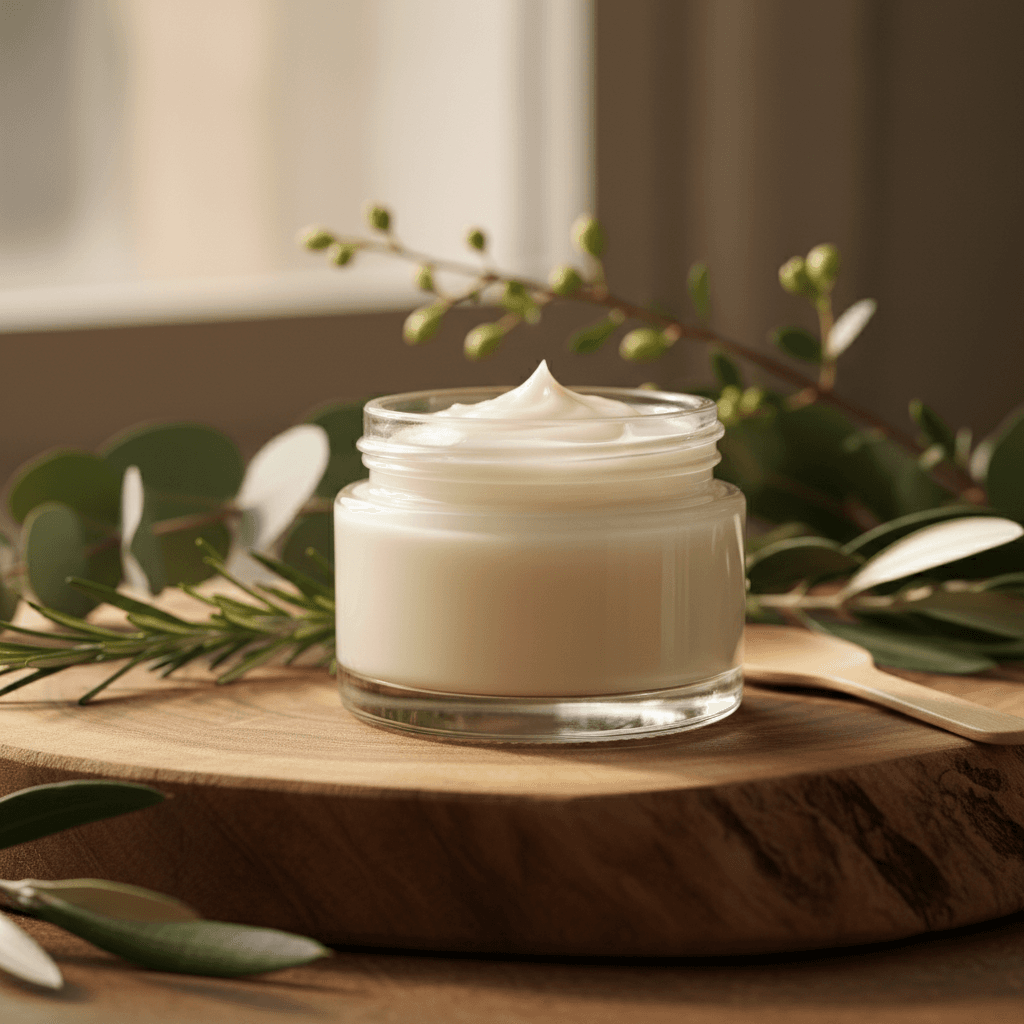
Discover the top beef tallow benefits for skin. Irish grass-fed tallow deeply moisturises, repairs your skin barrier, and provides vitamins A, D, E, K.
Primary Keyword: beef tallow benefits for skin Word Count: 2,500+
Quick Answer: Beef tallow benefits skin by deeply moisturising, repairing the skin barrier, reducing inflammation, and delivering bioavailable vitamins A, D, E, and K. Its fatty acid profile is nearly identical to human sebum, making it one of the most compatible and effective natural moisturisers available — especially when sourced from Irish grass-fed cattle.
For thousands of years, our ancestors used animal fats for skincare — and they didn't have the skin problems we see today. While modern skincare aisles overflow with synthetic creams promising miracles, perhaps the solution has been hiding in plain sight all along. Enter beef tallow benefits for skin: nature's most biocompatible moisturiser that's making a powerful comeback in Ireland and across Europe.
The comeback is measurable. Worldwide Google searches for "beef tallow moisturizer" grew 472% in the past year, to roughly 48,000 searches a month — and the science is starting to catch up: a 2024 scoping review in Cureus of the published research concluded that tallow-based products show promise as a skin moisturiser, particularly for dry and atopic-prone skin.
If you've been searching for a truly natural, effective skincare solution that actually works, beef tallow might be exactly what your skin has been craving. This comprehensive guide will show you why this traditional ingredient is revolutionising natural skincare in 2026.
What is Beef Tallow?
Beef tallow is rendered fat from cattle, typically sourced from the suet (the hard, white fat found around the kidneys and loins). Through a careful rendering process, this fat is purified and transformed into a smooth, cream-coloured substance that's been used for centuries — not just in cooking, but as a powerful skincare ingredient.
The Rendering Process
Traditional rendering involves slow-heating beef fat to separate the pure tallow from any tissue or impurities. The best tallow for skincare comes from grass-fed, pasture-raised cattle — particularly Irish grass-fed beef, which is renowned globally for its superior quality due to Ireland's lush, year-round grazing conditions.
Is Grass-Fed Tallow Better for Skincare?
The diet of the cattle dramatically affects the tallow's nutritional profile:
- Grass-fed tallow contains higher levels of omega-3 fatty acids, CLA (conjugated linoleic acid), and fat-soluble vitamins A, D, E, and K
- Grain-fed tallow has less favourable omega-6 to omega-3 ratios and fewer beneficial nutrients
- Irish grass-fed beef tallow is considered the gold standard due to Ireland's grass-based farming system
When you're choosing a beef tallow moisturiser, the source matters just as much as the product itself.
Why Does Beef Tallow Work So Well on Skin?
Here's where beef tallow gets fascinating: its fatty acid profile is remarkably similar to human sebum — the natural oil your skin produces. This isn't coincidence; it's biology.
How Similar Is Tallow to Human Sebum?
Human sebum contains approximately 41% saturated fats, 41% monounsaturated fats, and 18% polyunsaturated fats. Beef tallow's composition? Nearly identical:
- 50-55% saturated fats (palmitic and stearic acids)
- 40-50% monounsaturated fats (oleic acid)
- 2-3% polyunsaturated fats (linoleic acid)
This similarity means your skin recognises beef tallow as compatible with its own structure, allowing for superior absorption and effectiveness.
Why Is Bioavailability Important?
Unlike plant-based oils that need to be converted by your body, the nutrients in beef tallow are bioavailable — your skin can use them immediately. The vitamins A, D, E, and K are fat-soluble and present in their most absorbable forms.
How Does Tallow Repair the Skin Barrier?
Your skin's protective barrier is largely composed of ceramides, cholesterol, and fatty acids — all present in beef tallow. When this barrier is compromised (through harsh cleansers, environmental stress, or ageing), tallow provides the exact building blocks needed for repair.
What Are the 10 Key Benefits of Beef Tallow for Skin?
1. Deep Moisturisation Without the Grease
Despite being a fat, properly rendered beef tallow absorbs quickly and doesn't leave a greasy residue. Its similar structure to human sebum means it penetrates deeply, providing long-lasting hydration that actually improves your skin's moisture retention over time.
2. Repairs and Strengthens the Skin Barrier
The combination of fatty acids and cholesterol in beef tallow makes it ideal for barrier repair. This is particularly beneficial if you suffer from:
- Dry, flaky skin
- Sensitivity to products
- Redness and irritation
- Post-procedure skin recovery
3. Anti-Inflammatory Properties
Beef tallow contains palmitoleic acid, a powerful anti-inflammatory compound. Combined with CLA (particularly abundant in grass-fed tallow), it can help calm inflamed skin, reduce redness, and soothe conditions like rosacea.
4. Rich in Fat-Soluble Vitamins
- Vitamin A: Essential for skin cell turnover and renewal
- Vitamin D: Supports skin barrier function and immune response
- Vitamin E: Powerful antioxidant protecting against free radical damage
- Vitamin K2: Helps with skin elasticity and healing
These aren't synthetic vitamins added to a formula — they occur naturally in grass-fed tallow.
5. Non-Comedogenic (Won't Clog Pores)
Contrary to popular belief, beef tallow has a comedogenic rating of 2 (on a scale of 0-5), making it less likely to clog pores than many popular oils like coconut oil (rating of 4). Its similarity to sebum means pores recognise it as normal and don't become congested.
6. Suitable for All Skin Types
Whether you have dry, oily, combination, or sensitive skin, beef tallow can benefit you:
- Dry skin: Provides deep, lasting moisture
- Oily skin: Doesn't trigger excess oil production; can actually help balance it
- Combination skin: Moisturises dry areas without making oily zones greasier
- Sensitive skin: Gentle, minimal ingredients, no common allergens
7. Anti-Ageing Properties
The vitamins and fatty acids in beef tallow support collagen production, improve skin elasticity, and protect against oxidative stress — all key factors in preventing premature ageing. Regular users report:
- Reduced appearance of fine lines
- Improved skin firmness
- More even skin tone
- Better overall skin texture
8. Supports Eczema and Psoriasis Management
Many individuals with eczema or psoriasis find relief with beef tallow. Its anti-inflammatory properties, combined with barrier-repairing fatty acids, can:
- Reduce itching and irritation
- Heal cracked, damaged skin
- Prevent moisture loss
- Calm flare-ups
Note: Always consult with a dermatologist for severe skin conditions. Read more in our guide to using tallow cream for eczema and dry patches.
9. 100% Natural — No Additives Needed
Quality beef tallow doesn't need preservatives, fragrances, or emulsifiers. It's stable at room temperature, has natural antimicrobial properties, and doesn't require chemical stabilisers. When you use pure tallow, you're putting exactly one ingredient on your skin.
10. Cost-Effective vs Commercial Creams
A little goes a long way. A single jar of quality beef tallow cream can last 3-6 months with daily use, making it far more economical than constantly repurchasing expensive commercial moisturisers that often contain mostly water and fillers.
How Does Beef Tallow Compare to Other Natural Moisturisers?
How does beef tallow stack up against popular natural alternatives?
| Feature | Beef Tallow | Coconut Oil | Shea Butter | Jojoba Oil |
|---|---|---|---|---|
| Similarity to sebum | Very High | Low | Moderate | Moderate |
| Absorption | Fast | Moderate | Slow | Fast |
| Comedogenic rating | 2 | 4 | 0-2 | 2 |
| Vitamins | A, D, E, K | E | A, E | E |
| Skin barrier repair | Excellent | Moderate | Good | Moderate |
| Anti-inflammatory | High | Moderate | High | Moderate |
| Suitable for face | Yes | Caution | Yes | Yes |
| Price point | Moderate | Low | Moderate | High |
See our full beef tallow vs coconut oil comparison for a deeper breakdown.
Why Tallow Often Wins
While each oil has its place, beef tallow's unique advantage is its biocompatibility with human skin. Your skin doesn't have to "figure out" how to use it — it already knows. This makes it particularly effective for:
- Barrier repair
- Deep moisturisation
- Sensitive skin
- Those with conditions like eczema
How Do You Apply Beef Tallow to Your Face?
See our full step-by-step guide: How to Use Beef Tallow on Your Face
Application Method
- Start with clean, slightly damp skin — This helps tallow spread and absorb more easily
- Use a very small amount — Literally pea-sized for entire face
- Warm it between your palms — Body heat will slightly melt it
- Gently press into skin — Don't rub vigorously; pat and press
- Focus on dry areas — Can use more on body, less on naturally oily zones
Adjustment Period
Give your skin 2-4 weeks to adjust. You might experience:
- Week 1: Skin may feel different as it adjusts
- Week 2: Improvement in moisture levels
- Week 3-4: Noticeable improvement in texture, tone, and overall health
How Do You Choose Quality Beef Tallow?
Not all beef tallow is created equal. Here's what separates premium skincare tallow from lower-quality options:
- Grass-fed, pasture-raised cattle (look for Irish or EU sources)
- Low-temperature wet rendering (preserves vitamins)
- Triple-filtered for cosmetic-grade purity
- Minimal to no scent (strong smell = poor rendering)
- Glass amber packaging (protects from UV oxidation)
FAQ: Your Beef Tallow Questions Answered
Q: What does beef tallow do for your skin? A: Beef tallow deeply moisturises, repairs the skin barrier, reduces inflammation, and provides fat-soluble vitamins A, D, E, and K. Its fatty acid profile closely matches human sebum, making it highly effective for skin health.
Q: Is grass-fed tallow better for skincare? A: Yes. Grass-fed tallow contains significantly more omega-3 fatty acids, CLA, vitamins, and beta-carotene compared to grain-fed tallow. Irish grass-fed beef is particularly high-quality due to year-round pasture grazing.
Q: Can beef tallow help with wrinkles? A: While no product can eliminate wrinkles, beef tallow supports collagen production, improves skin elasticity, and provides antioxidants that protect against premature ageing. Regular use can reduce the appearance of fine lines.
Q: How often should I use beef tallow on my skin? A: Daily use is safe and beneficial. Most people use it twice daily — morning and evening — as their primary moisturiser. You can also use it as needed on dry patches or problem areas.
Q: Is beef tallow comedogenic (pore-clogging)? A: Beef tallow has a comedogenic rating of 2 out of 5, making it less likely to clog pores than many popular oils. Its similarity to sebum helps pores recognise it as compatible.
Q: Can I make my own tallow skincare at home? A: Yes, but it requires proper rendering to remove impurities and achieve the right consistency. Many people prefer to purchase professionally rendered tallow to ensure quality, purity, and consistent results.
Q: What's the difference between tallow and lard? A: Tallow comes from beef or lamb (ruminant animals), while lard comes from pigs. Tallow has a firmer texture and different fatty acid profile, making it generally preferred for skincare applications.
Q: Does beef tallow expire or go bad? A: Quality beef tallow is very shelf-stable due to its high saturated fat content. When stored properly (cool, dark place), it can last 6-12 months or longer. Refrigeration extends shelf life even further.
Q: Can I use tallow if I have sensitive skin? A: Yes. Beef tallow is often gentler than commercial products because it's a single, natural ingredient without common irritants like fragrances, preservatives, or synthetic chemicals. Always patch test first.
Q: Where can I buy beef tallow moisturiser in Ireland? A: TalGlow makes tallow cream in Co. Laois from Irish grass-fed beef tallow, rendered using traditional methods and whipped with sweet almond oil and a touch of natural essential oil. The scent varies by batch; the full ingredient list is on every label.
Q: Is beef tallow safe for use on the face? A: Yes, high-quality beef tallow is not only safe but ideal for facial skin. Its low comedogenic rating and similarity to human sebum make it gentler than many plant oils.
Q: Can beef tallow help with eczema or psoriasis? A: Many people with eczema or psoriasis report significant improvement using beef tallow. Its anti-inflammatory fatty acids and barrier-repairing properties make it well-suited for these conditions. Always consult your GP for severe cases.
Conclusion: Why Beef Tallow Deserves a Place in Your Skincare Routine
The beef tallow benefits for skin aren't just trendy — they're backed by centuries of traditional use and supported by modern understanding of skin biology. When you choose grass-fed beef tallow, particularly from Irish sources, you're giving your skin:
- Deep, long-lasting moisture that improves your skin's ability to hydrate itself
- Barrier repair with the exact fatty acids your skin needs
- Natural vitamins in their most bioavailable forms
- Anti-inflammatory support for calm, healthy skin
- A single, pure ingredient with no synthetic additives
Whether you're dealing with dry skin, eczema, premature ageing, or simply want a truly natural alternative to commercial moisturisers, beef tallow offers a powerful, time-tested solution.
Ready to Experience the Difference?
Try TalGlow's Irish grass-fed beef tallow cream — grass-fed tallow whipped with sweet almond oil and a touch of natural essential oil — and discover why this ancient ingredient is transforming modern skincare.
TalGlow Tallow Cream contains just three or four natural ingredients — Irish grass-fed tallow, sweet almond oil and a touch of natural essential oil. No synthetic fragrance, no preservatives. The scent varies by batch; the full list is on every label.
TalGlow product formulation
Disclaimer: This information is for educational purposes. Individual results may vary. Consult a dermatologist for specific skin concerns or conditions.
Ready to Experience Irish Grass-Fed Beef Tallow?
Try TalGlow's premium Irish grass-fed beef tallow moisturizer. Your skin deserves the best nature has to offer.
Shop Now →Continue Reading

Beef Tallow for Acne: Does It Help or Make It Worse?
If you have acne-prone skin, the idea of putting animal fat on your face sounds counterintuitive — maybe even alarming. But the science behind why tallow may actually be *better* for acne-prone skin t...
Read more →
Beef Tallow for Babies: Is It Safe? Complete Parent's Guide
Baby skincare can feel overwhelming. The shops are full of products labelled "gentle," "sensitive," and "natural" — yet many contain long lists of synthetic ingredients. More parents in Ireland are no...
Read more →